Design notes · The future of the Mahjong table
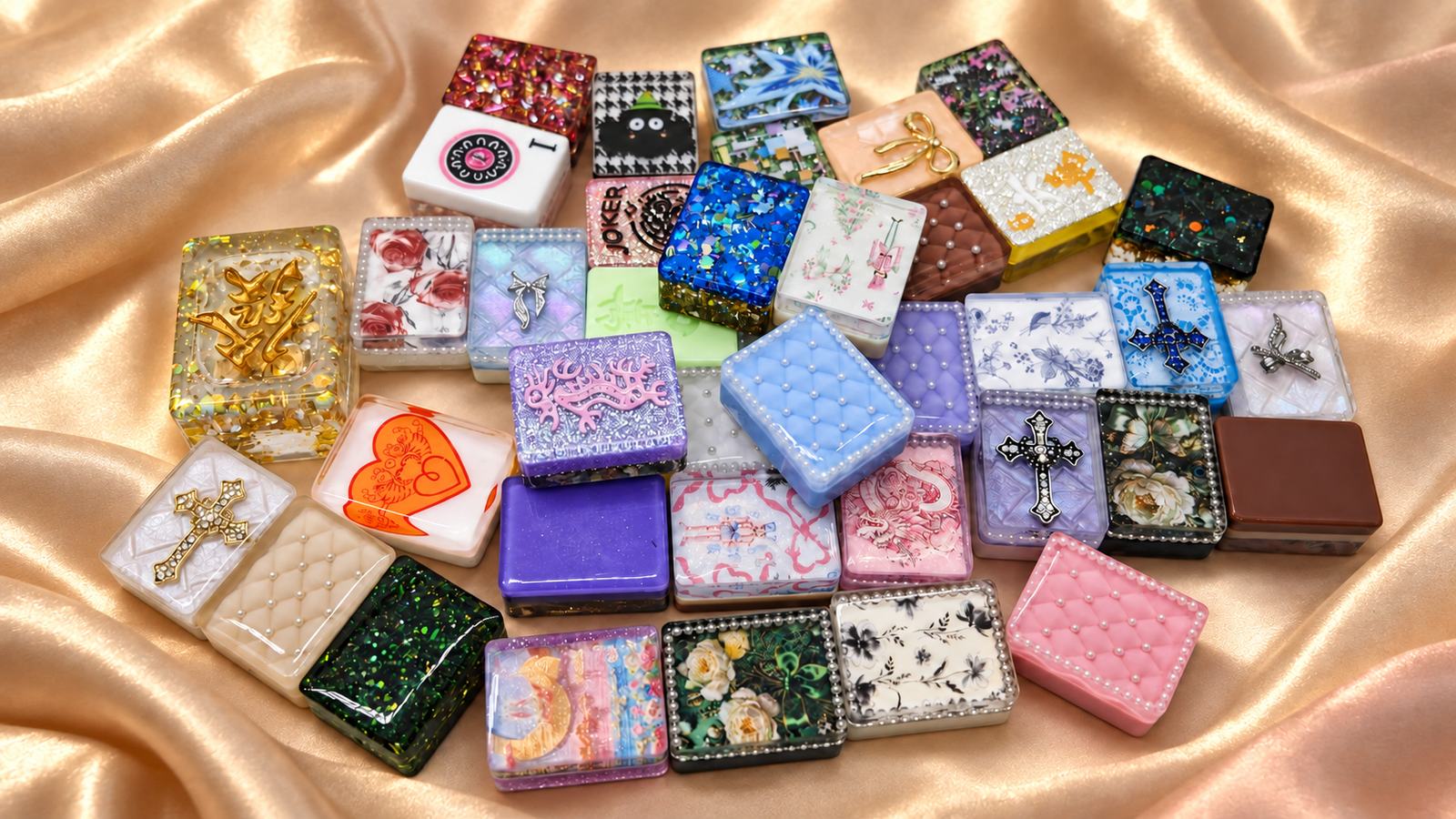
The next meaningful change in Mahjong may not be a new color or another seasonal print. It may be the moment a set begins to hold the story of the people who gather around it.
I keep returning to one sentence in Etsy’s Fall and Winter 2025 trend report: shoppers are looking for pieces that tell a story. Not simply objects that match a room, fill a gift box, or photograph well for a weekend, but things that say something about the people who chose them.
That idea feels especially important in American Mahjong. A Mahjong set is already more than the sum of its tiles. It is the familiar weight of a weekly ritual. It is the friend who always arrives with snacks, the aunt who teaches the Charleston slowly, the family table that becomes a game table after dinner. It can be competitive, funny, stylish, comforting, and deeply social—all in the same evening.
So when the wider market moves toward personal expression, nostalgic comfort, elevated entertaining, and meaningful gifts, Mahjong does not need to chase the trend. It is already standing at the meeting point of all four.
The market is moving from “beautiful” to “meaningful”
For years, a large part of product design was built around broad taste: make something attractive enough that many people can imagine it in their home. That logic is not disappearing. But it is being joined by a more intimate question: Does this feel like me?
Etsy’s 2025 holiday themes made the shift visible. “Nonna Holiday” placed family, food, tradition, and inherited feeling at the center. “Supper Club” turned home entertaining into an occasion again. “Play Haus” celebrated joyful color and a refusal to make everything quietly neutral. “Gothmas” gave shoppers permission to reject the expected red-and-green holiday language and choose something darker, stranger, and more personal.
These aesthetics look different, but they share the same emotional engine. People want to recognize themselves in what they buy. They want an object to carry a memory, an inside joke, a place, a season, a person, or a version of themselves they are becoming.
That is why personalization is bigger than placing a name in one corner. A name can be lovely. But real personalization begins earlier, with the story that determines the palette, symbols, rhythm, and mood of the whole object.
A memorable Mahjong set should not only look different from every other set. It should feel difficult to separate from the people who play with it.
Why American Mahjong is ready for this change
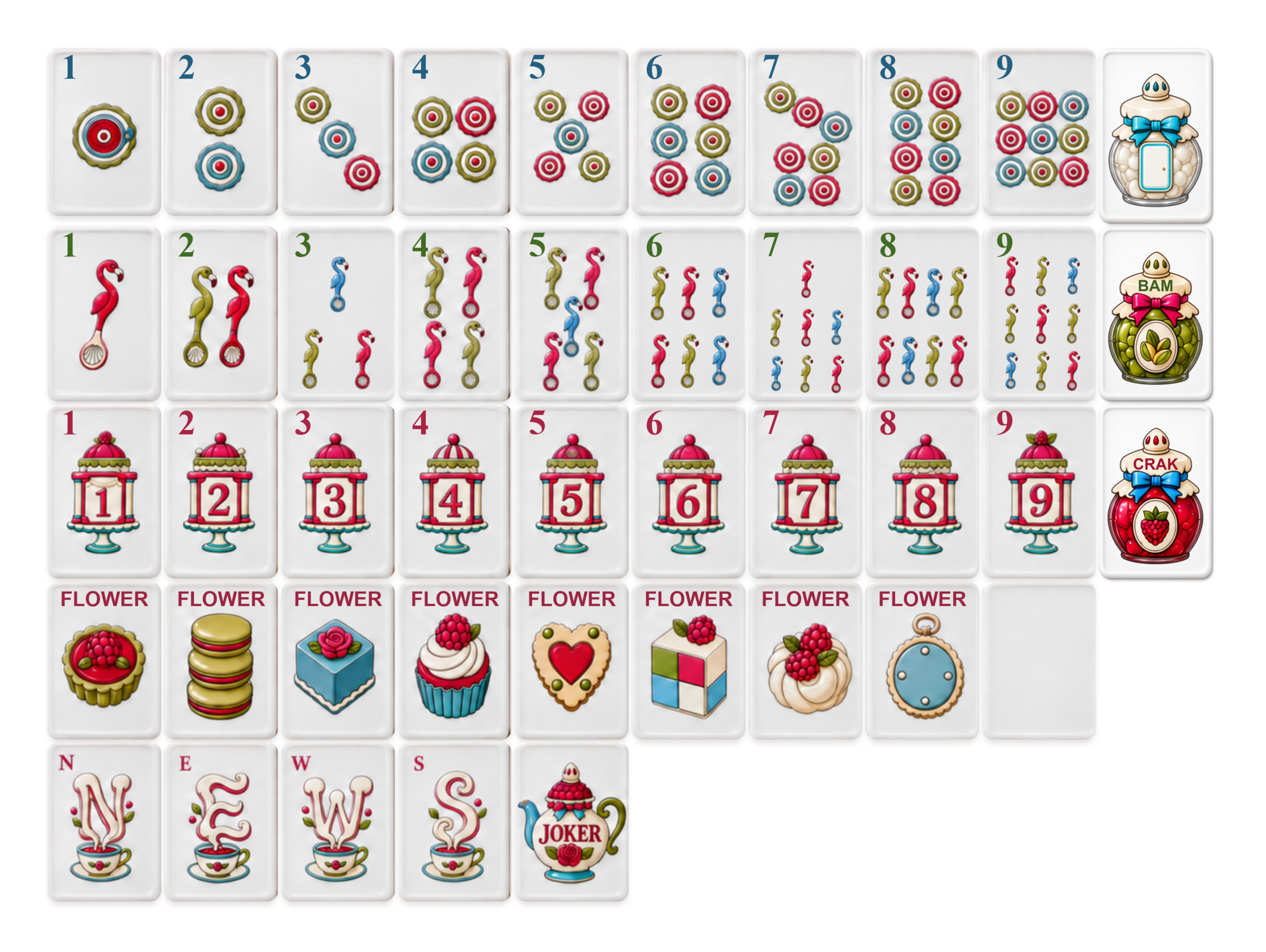
American Mahjong has an unusual advantage as a design object: it is highly structured and highly expressive at the same time. The game has a clear visual system—Dots, Bams, Craks, Winds, Dragons, Flowers, and Jokers—but within that system there is room for personality.
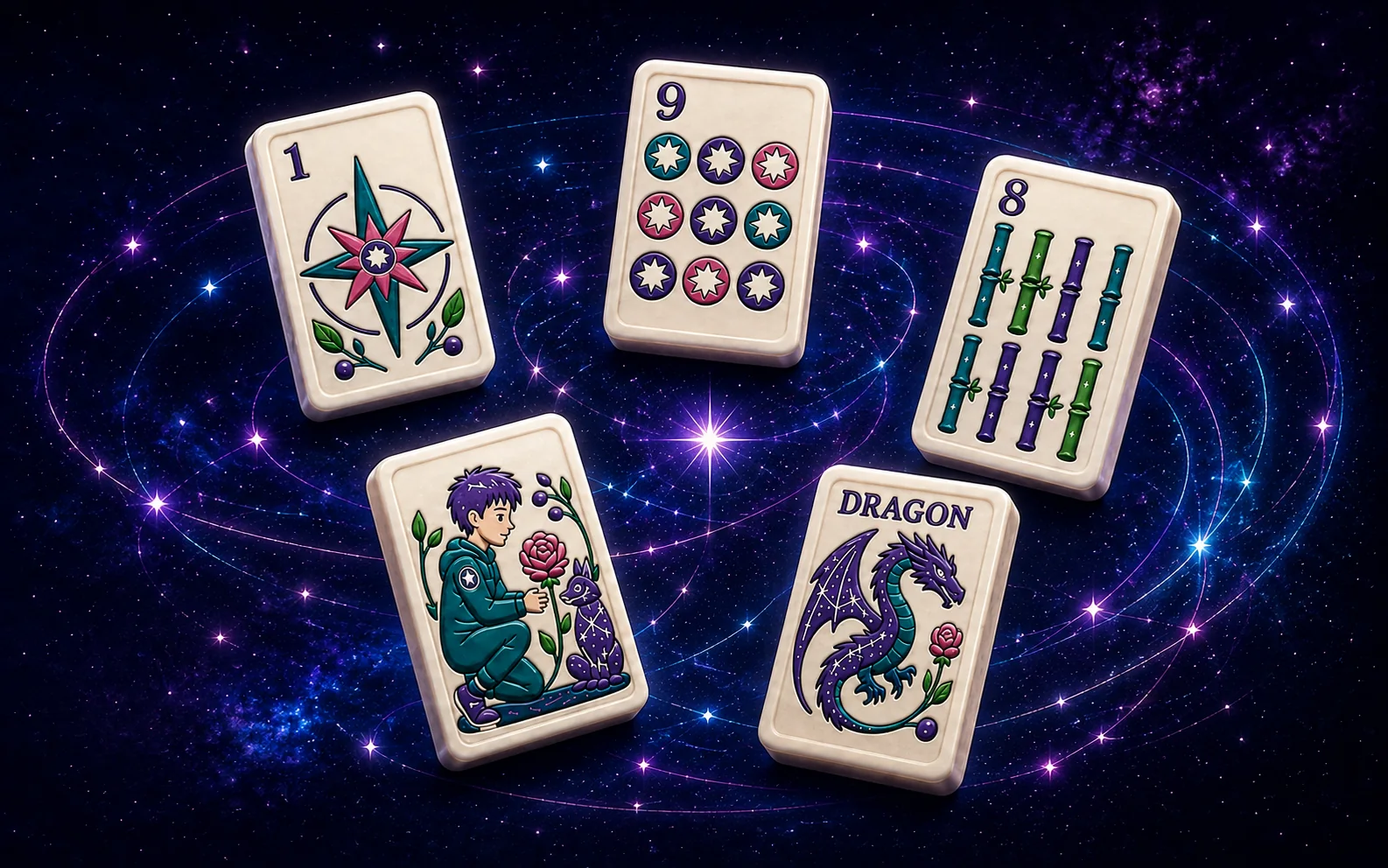
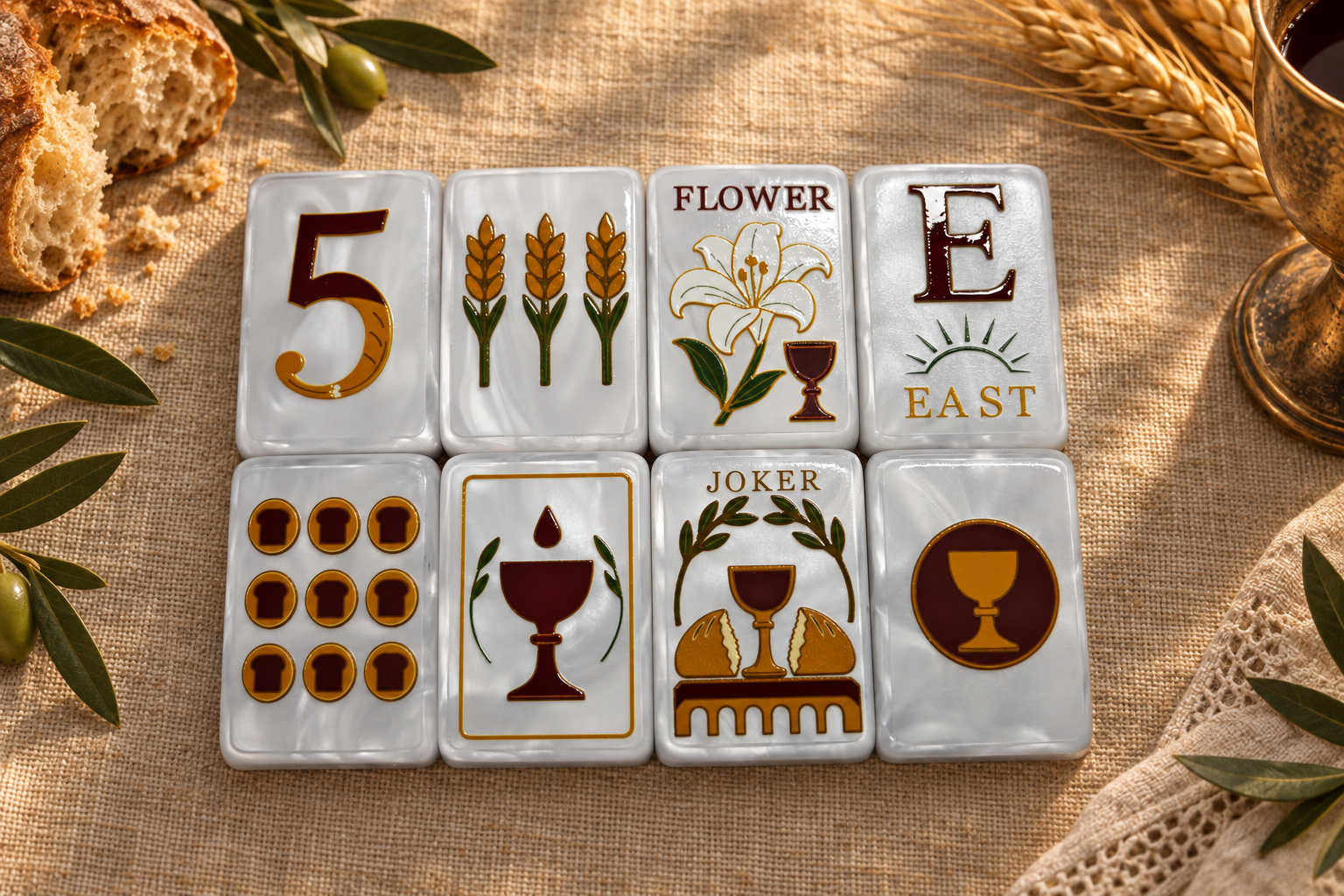
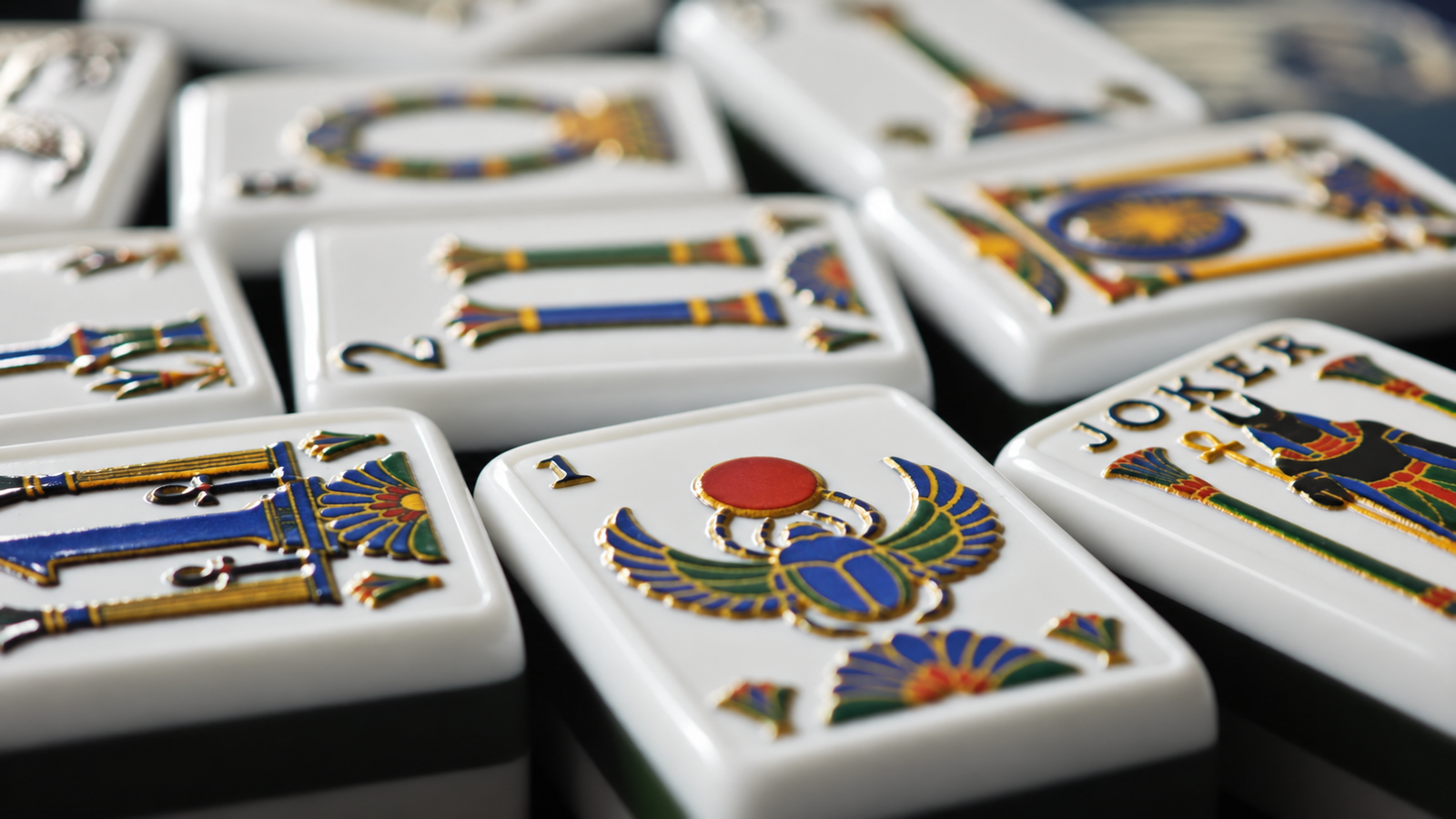
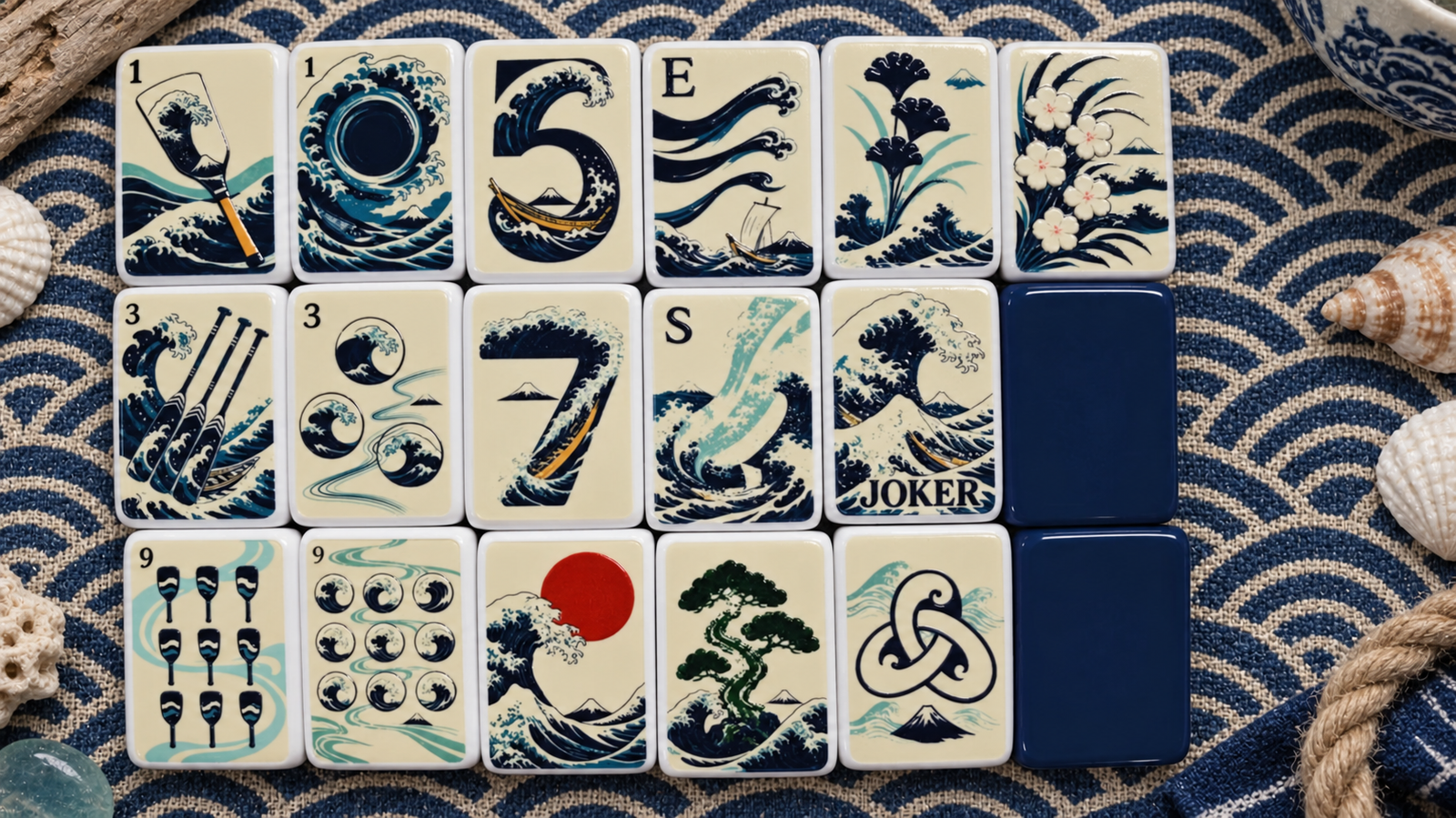
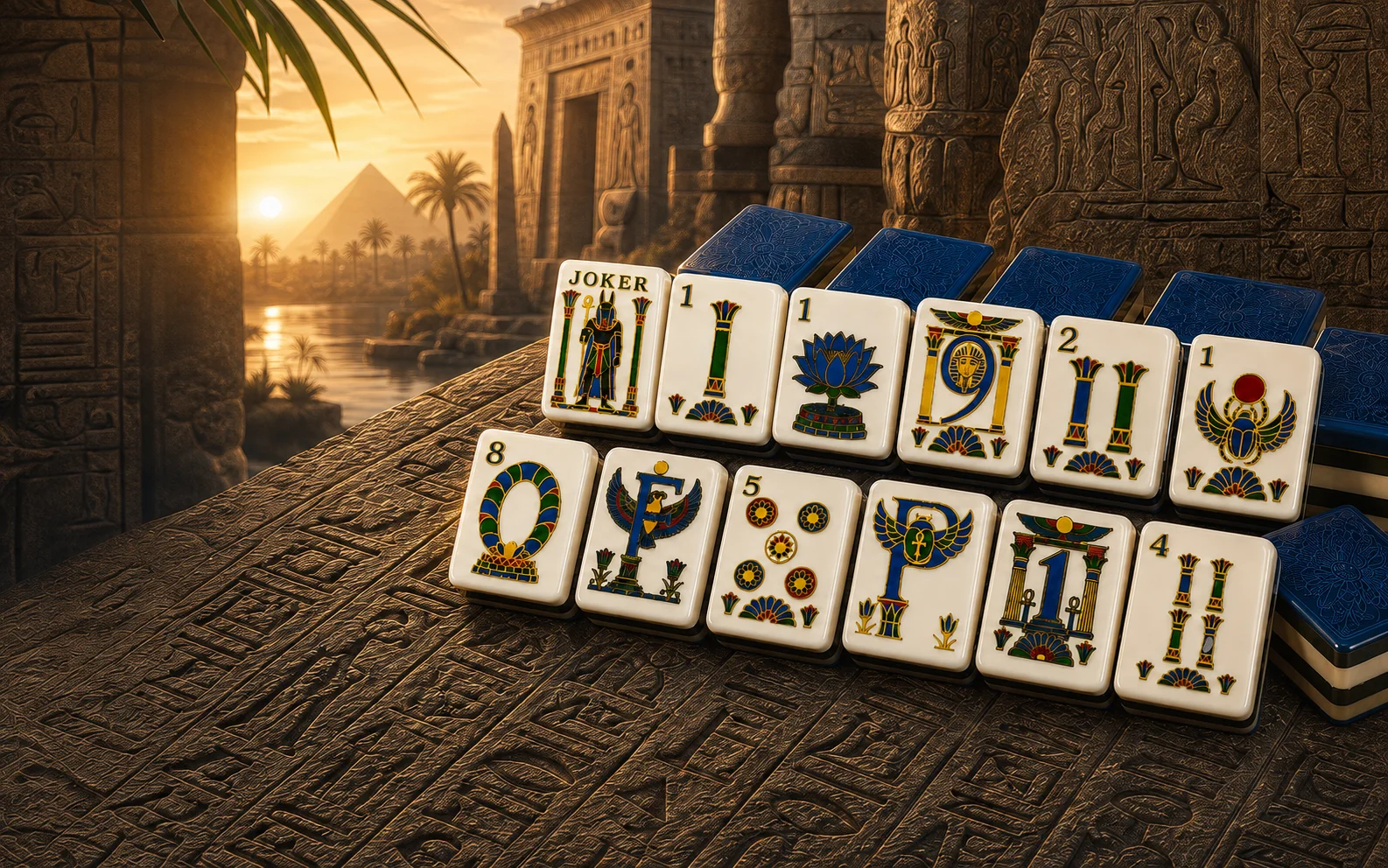
A Flower can carry a garden memory. A Joker can become the boldest character in the set. A 1 Bam can introduce a bird, animal, or emblem that gives the collection its voice. Color can make a set feel coastal, nocturnal, botanical, celebratory, nostalgic, or wonderfully excessive.
And unlike décor that sits quietly on a shelf, Mahjong moves. Players touch every tile. They sort them, call them, trade them, laugh over them, and remember the evening attached to them. A personalized set becomes part of an experience rather than a static keepsake. That is a powerful place for design to live.
It is also why we believe the future will include more sets made for specific kinds of gatherings: birthdays, weddings, anniversaries, family reunions, retirements, club milestones, girls’ weekends, housewarmings, and the weekly group that has quietly become a chosen family.
What our current themes have taught us
At Mahla, our recent design directions have been a way of testing how many different emotional worlds an American Mahjong table can hold. Magenta Garden leans into botanical abundance and saturated color. Twilight Cobweb brings a moody Halloween atmosphere to the table. Nordic Midnight looks for the glow and stillness of a winter evening. All-American Adventure draws from open-road nostalgia. Leopard Luxe is unapologetically bold.
The lesson is not that every future collection needs a dramatic theme. The lesson is that a clear point of view makes a table feel alive. Once we start from a real story, decisions about color and imagery become more coherent. The design stops being a collection of attractive decorations and begins to feel like a world.
How a personal story can become a playable tile system
This is the part of custom Mahjong design that matters most to us. A tile can be emotionally meaningful and still fail as a Mahjong tile if players cannot read it quickly. Personalization must sit on top of a disciplined visual system, not replace it.
Find the real story
A place, celebration, family tradition, favorite flower, pet, trip, color memory, or shared phrase can become the emotional center.
Build a visual language
We turn the story into a controlled palette, motif family, line style, level of detail, and a few recurring visual signatures.
Respect every tile identity
Dots must still count as Dots. Bams need their numerical rhythm. Craks, Winds, Dragons, Flowers, and Jokers must remain distinguishable.
Design for the table
We check contrast, small-size legibility, repeated copies, suit consistency, orientation, and how the collection reads across a full rack.
Imagine a set inspired by a grandmother’s garden. The easy route is to scatter flowers across every face. The more thoughtful route is to identify what made that garden hers: perhaps climbing roses, a blue gate, a particular songbird, and the warm green of painted wooden chairs. Those elements can then be assigned roles. Circular blossoms may shape the Dots. Stems or garden tools may inform the Bams. A bird might become the 1 Bam. The Flowers can carry the most literal botanical portraits, while the Jokers hold a surprising, playful detail.
The same method could begin with a coastal wedding, a cross-country family trip, a beloved city, or the dog who always sits under the Mahjong table. The story changes. The design discipline does not.
Readability is part of the beauty
We do not want a custom set that is wonderful in a close-up photograph and frustrating in the middle of a game. At normal playing distance, the suits and numbers should still make sense. Decorative petals cannot accidentally turn a 7 Dot into something that looks like an 8. Two Bams cannot become visually confused with three. English labels and corner numerals should support accessibility without fighting the illustration.
For standard American play, the core system is 152 tiles. Some retail packages include additional blanks, Flowers, Jokers, or replacements and therefore reach 160 or 166 pieces. A future personalized offering must be clear about that difference. “More tiles” is not a design philosophy; the right, verified composition is.
The next trend is not maximalism or minimalism. It is specificity.
Trend reports are useful, but there is a danger in copying their surface. If every seller reacts to “dopamine color” with the same candy palette, the result stops feeling expressive very quickly. If everyone reacts to nostalgia with the same vintage filter, nostalgia becomes another uniform.
The more durable opportunity is specificity. Not “a floral Mahjong set,” but a set inspired by night-blooming flowers in a desert garden. Not “a travel set,” but a visual diary of the family road trip that everyone still talks about. Not “a wedding gift,” but a table object that carries the place, date, colors, and private symbols of that particular marriage.
Specificity gives SEO a more human role, too. We still need clear phrases such as personalized American Mahjong sets, custom Mahjong tiles, and personalized Mahjong gifts so the right reader can find the page. But once that reader arrives, generic keyword repetition will not make them care. The story, the design thinking, and the honesty about what is possible must do that work.
What we are building toward at Mahla
Personalized Mahjong is a direction in development—not an open custom-order promise yet.
We are exploring how to offer meaningful levels of personalization while protecting the playability, visual consistency, and production quality of an American Mahjong set. Materials, dimensions, customization scope, pricing, minimums, sample timing, and delivery windows are still being developed and will be shared only when verified.
Our long-term direction is clear: we want Mahla to become known not only for selling Mahjong tiles, but for creating Mahjong worlds that feel personal. We imagine a thoughtful path that may begin with curated choices—color stories, celebratory motifs, selected personal details—and gradually move toward deeper collaborative collections where a customer’s story can shape the full design language.
We also want to show more of the process. The sketches that work, the ideas we simplify, the moments when a beautiful motif has to be redrawn because it is not readable enough, and the careful counting that sits behind a finished set—these are not obstacles hiding behind the product. They are the reason the product can be trusted.
This will take time. A playable, coherent tile system asks for more care than placing artwork on a blank square. We are learning how to hold two responsibilities at once: protect the logic of American Mahjong and make room for the life of the person who will play it.
That is the part of this market change that moves me most. Personalization is often described as a sales feature. I think it can be something more generous. It can make a familiar ritual feel newly seen. It can turn a game-night purchase into an heirloom-in-progress. It can give four people another reason to sit down, look closely, and say, “This is ours.”
Follow the work in progress
The next Mahla set may begin with a story.
We will share future personalized American Mahjong concepts, design notes, sampling progress, and verified launch details in the Mahla Journal. If this is the kind of Mahjong future you want to see, stay close.
Follow the Mahla JournalUntil then, you can explore Mahla’s current Mahjong tile styles, read our new themed tile story, or visit our American Mahjong guide if you are just beginning.